Solar activity has been intense this year. In May, August, September, and now October, there have been somewhat unusual auroras that can be seen much further towards the equator than is common. I do have to say, having spent a great deal of time finding pictures on the Astronomy Picture of the Day website, that unusual here means ‘every ten or eleven years,’ coinciding with the eleven year solar cycle. Anyway, last night, October 11, there was an aurora that could be seen in Philadelphia. Having been sent a picture, I went out to see if the aurora was also visible in Virginia.
The area I live in, heavily built up in the last thirty years, is now very bright at night. The consensus in the car as we drove around was that ‘mmmaybeee’ the sky was slightly pink, but it was really difficult to be sure. Later in the evening a random commenter on the internet posted a picture of the aurora that he had taken in Virginia. It wasn’t exactly obvious to the naked eye, he said, but his phone had shown it quite clearly. That was an entertaining idea; I read that phones are in fact better than eyes at picking up auroras. Point phone and shoot!
The header image I used is from Astronomy Picture of the Day (APOD). It is a southern aurora, taken from the ISS Expedition 71. It is a NASA picture so I’m not breaking copyright.
Here are a few more images. They are absolutely amazing. Some are complex composite photos and some are serendipitous single images. Serendipitous — except that the photographer was there waiting. Auroras can last for a moment or for hours.
https://apod.nasa.gov/apod/ap240814.html Aurora seen in Germany in August, 2024. Taken during the August Perseid meteor shower, this composite of seven exposures shows the meteor trails streaking across the aurora. Exquisite.
https://apod.nasa.gov/apod/ap240612.html Aurora seen in Poland, May 2024. Unusually intense solar activity caused this aurora to be seen further south than normal, says the photographer. This picture is a composite. It is definitely unusual to see the aurora over a lot of city lights.
https://apod.nasa.gov/apod/ap210228.html Staggeringly beautiful single photo, 2017 in Iceland.
https://apod.nasa.gov/apod/ap210103.html This aurora over Iceland in 2016 looks like a phoenix. The display lasted less than a minute but a stubborn photographer got pics.
https://apod.nasa.gov/apod/ap240522.html Aurora from 2016. This picture is a composite of six images taken by a private photographer in Sweden. Be sure to check out the moon in the lower left. If you run your cursor over the picture the constellations will be outlined for you.
https://apod.nasa.gov/apod/ap210912.html 2015 over Iceland…
https://apod.nasa.gov/apod/ap210314.html 2015 over Sweden. Flag-shaped!
https://apod.nasa.gov/apod/ap061218.html 2006 aurora over Iowa.
https://apod.nasa.gov/apod/ap020422.html Aurora in Alaska 2002. Lovely, straightforward picture.
https://apod.nasa.gov/apod/ap060129.html 1991 Aurora over Hekla volcano in Iceland as it erupts
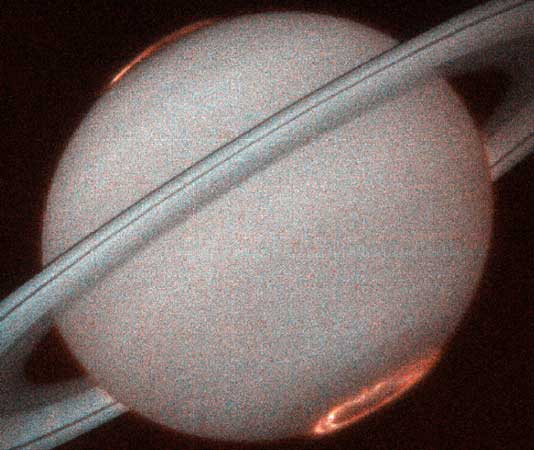
Aurora on Saturn taken with the Hubble telescope before 2000, in preparation for the Cassini mission.
 Janey's blog